
Michele Sponagle
Managing editor
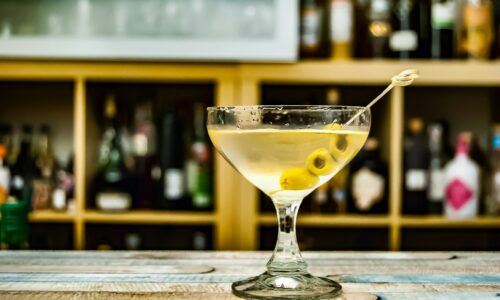
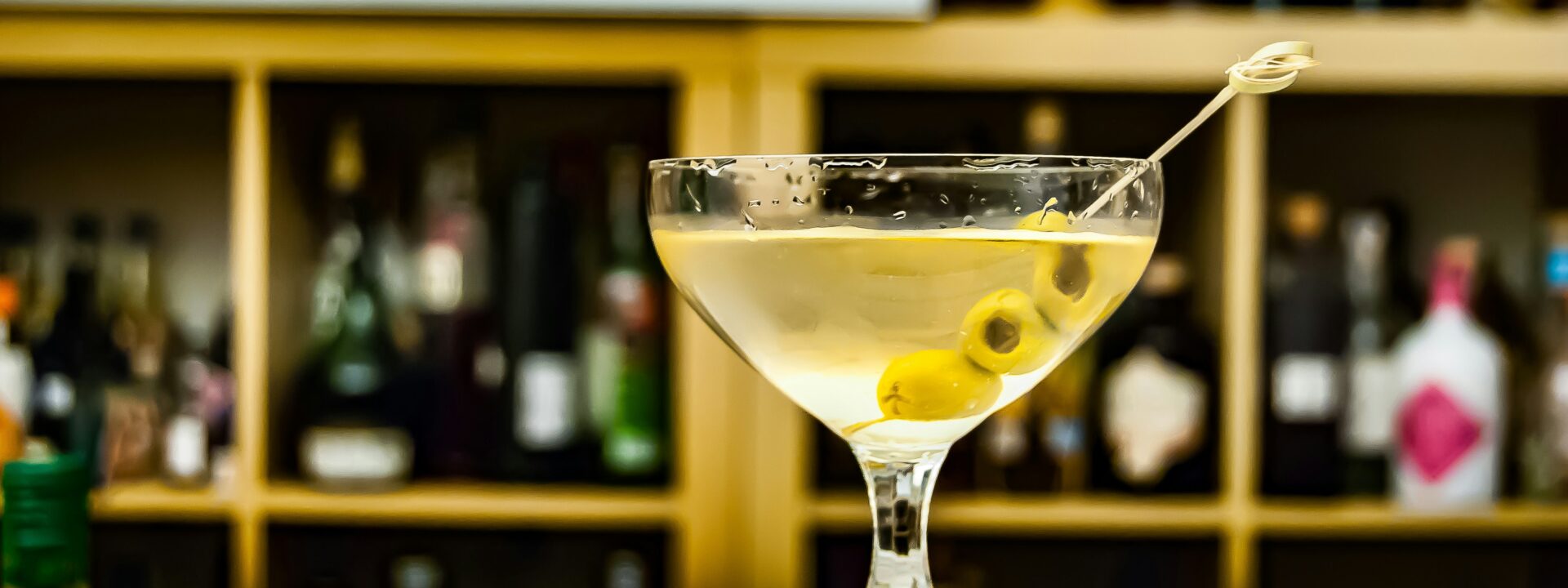
The martini is one of those rare cocktails that feels larger than life. It has starred in movies, inspired endless debates about gin versus vodka, and somehow managed to remain fashionable through more than a century of changing tastes. Yet for all its fame, the martini’s origin story is surprisingly murky. Like many great legends, it comes with competing claims, colorful characters and a healthy dose of mystery.
One of the most enduring stories leads straight to the heart of Times Square and the historic Knickerbocker Hotel.
The martini itself can trace its roots back to the late 1800s. Early recipes appeared under names like the “Martinez,” a sweeter cocktail that evolved over time into the drier, more elegant drink we know today. Historians point to several possible birthplaces, including California and San Francisco, and cocktail scholars generally agree that versions of the martini existed before the twentieth century. Still, New York’s Knickerbocker Hotel has long maintained a special place in martini lore.
The story goes that bartender Martini di Arma di Taggia, working at The Knickerbocker in the early 1900s, created what became known as the Dry Martini. According to hotel legend, he mixed gin, dry vermouth and orange bitters for none other than John D. Rockefeller. Whether this was truly the first dry martini remains a subject of debate among cocktail historians, but the tale has become an important part of both New York and cocktail history.
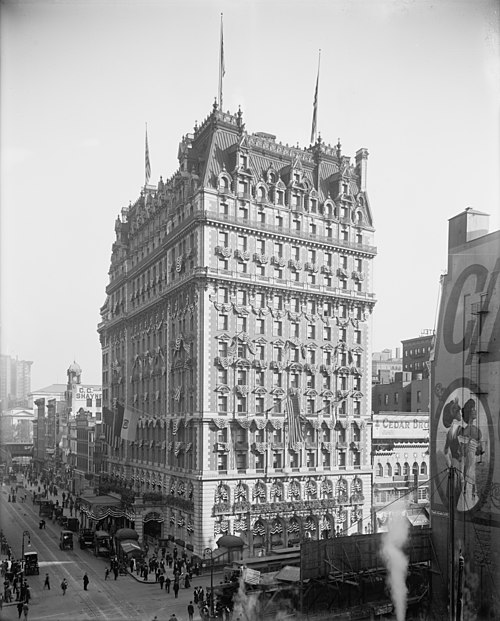
To understand why the story stuck, it helps to picture The Knickerbocker at its peak. When the hotel opened in 1906, it quickly became one of Manhattan’s most glamorous gathering places. Politicians, business magnates, Broadway personalities and socialites passed through its doors. The hotel became so central to New York society that it earned the nickname “The 42nd Street Country Club.” If a fashionable new cocktail were going to catch on anywhere, this would have been the place.
Over the decades, the martini grew into a cultural icon. It survived Prohibition, became a symbol of sophistication and eventually found its way into the hands of fictional characters ranging from Nick and Nora Charles to James Bond. The drink evolved as well. Ratios changed, vermouth quantities shrank, vodka entered the picture, and countless variations appeared. Yet the classic martini retained its reputation as the cocktail of choice for people who appreciated simplicity and style.
Today, more than a century after The Knickerbocker first welcomed guests, the hotel continues to embrace its connection to the martini. Rather than treating the story as a dusty historical footnote, it has transformed the legend into a modern guest experience.
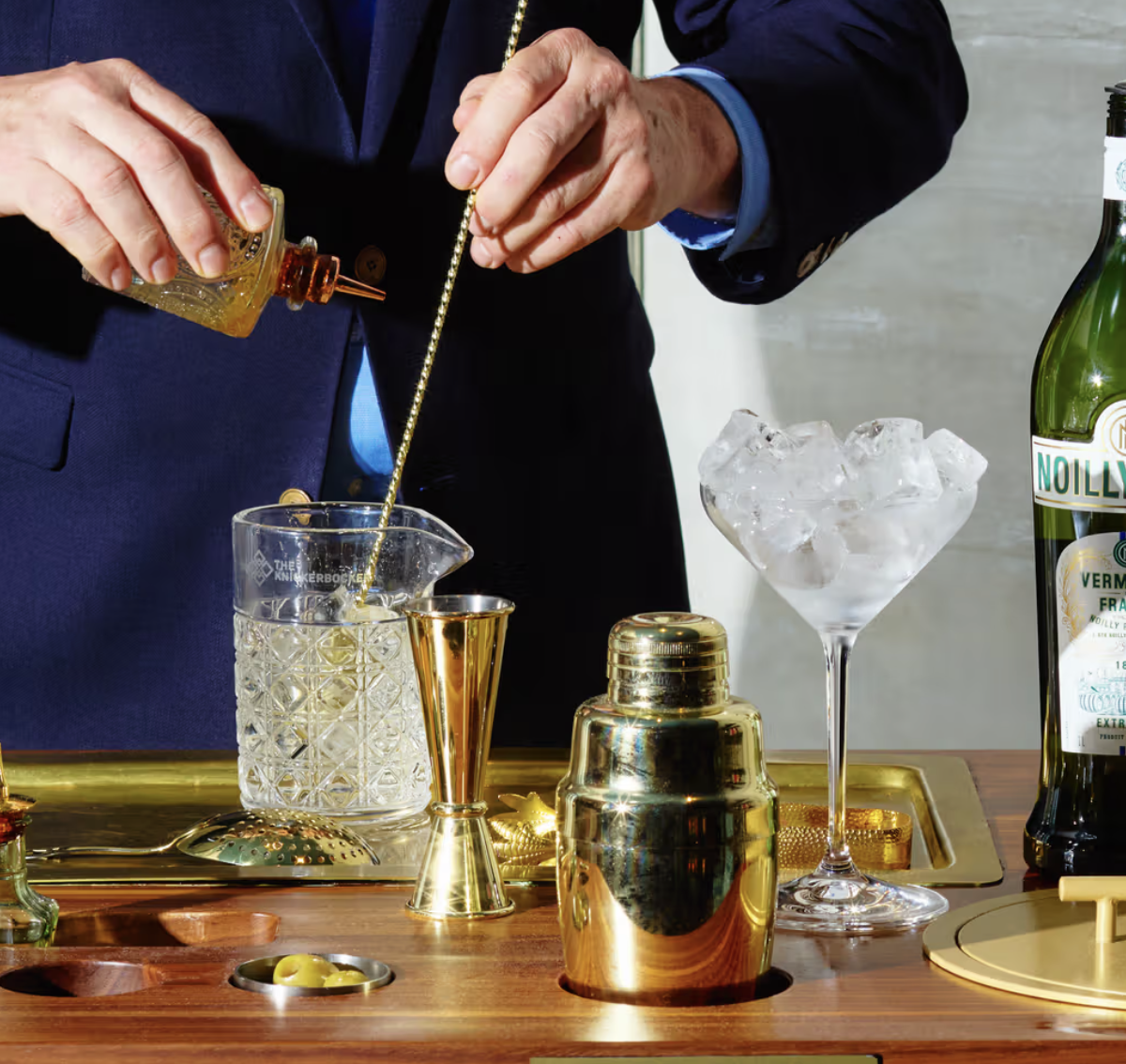
Visitors can head to the hotel’s Martini Lounge, located within Charlie Palmer Steak IV, where the martini takes center stage. The space celebrates the hotel’s alleged role in martini history while offering guests a chance to enjoy contemporary interpretations of the famous cocktail. One of the biggest attractions is the tableside Martini Cart, which allows bartenders to prepare the hotel’s version of the original dry martini recipe directly in front of guests. The presentation adds a touch of theater and old-world glamour that feels perfectly suited to the drink’s reputation.

The hotel has gone even further in recent years. During its Year of the Martini celebration, The Knickerbocker features martini-focused experiences ranging from master classes and rooftop activations to in-room martini service. Guests can explore the history of the cocktail while sampling creative variations inspired by the classic recipe. The hotel’s commitment to the martini reflects a broader revival of cocktail culture, where craftsmanship, storytelling and experience are just as important as the drink itself.
So, did The Knickerbocker Hotel really invent the martini? The honest answer is that nobody can say for certain. Historical evidence suggests the cocktail existed in some form before the hotel opened. Yet the Knickerbocker’s claim is not entirely about being first. It is about helping shape the martini’s identity and elevating it into the symbol of sophistication we recognize today.
And perhaps that is the most fitting ending to the story. The martini has always been a drink wrapped in legend. Whether you believe it was born in California, perfected in New York or evolved through countless bartenders’ experiments, one thing is clear: few places have embraced the cocktail’s legacy as enthusiastically as The Knickerbocker Hotel. Order a martini from the hotel’s famous cart today and you are not just getting a drink. You are getting a taste of one of New York City’s most enduring stories.
Hero image photo credit: Johann Trasch